The ocean has quietly become one of the world’s most strategic economic frontiers.
For centuries, maritime industries were largely defined by shipping, tourism and fisheries. Today, the picture is changing fast. Offshore renewable energy, smart ports, marine robotics, sustainable aquaculture, ocean monitoring and maritime data are bringing technology into almost every layer of the Blue Economy.
The scale of the shift is already significant. According to the latest EU Blue Economy Report, the sector generated €263 billion in gross value added and supported 4.9 million jobs in 2023. Over the past decade, its real GVA has grown by 37%.
But perhaps the more interesting change is qualitative: the Blue Economy is no longer simply an industry operating on the water. Indeed, it sits at the intersection of climate, energy, logistics, food, infrastructure and data. And many of the technologies needed to transform those areas are being developed outside the traditional maritime industry.
This is where the story starts to intersect with open innovation.
The sea is becoming a testbed for technology
Ports and maritime companies have a particular problem when it comes to innovation. They operate critical infrastructure, under strict regulatory and safety constraints, where reliability matters as much as experimentation. At the same time, decarbonisation and digitalisation are forcing them to move faster.
Startups can help close that gap. But only if they can get beyond the demo. A promising technology developed in a lab is in fact one thing. Proving that it works with real cargo, real vessels, real port infrastructure or real environmental conditions is something else entirely.
For startups, accessing that environment can be the difference between having a technology and having a product that the market is ready to buy. For ports and corporations, working with startups offers a way to test technologies that would take years to develop internally.
The difficult part is putting the two sides in the same room and then giving them a reason to keep talking.
Barcelona has some of the ingredients to make that happen
Barcelona is increasingly interesting not simply because it has the right ingredients, but because it is deliberately putting them to work. A major port, an international business ecosystem and an active innovation community come together here with a clear ambition: to create an environment where new maritime technologies can move from ideas to real-world applications.
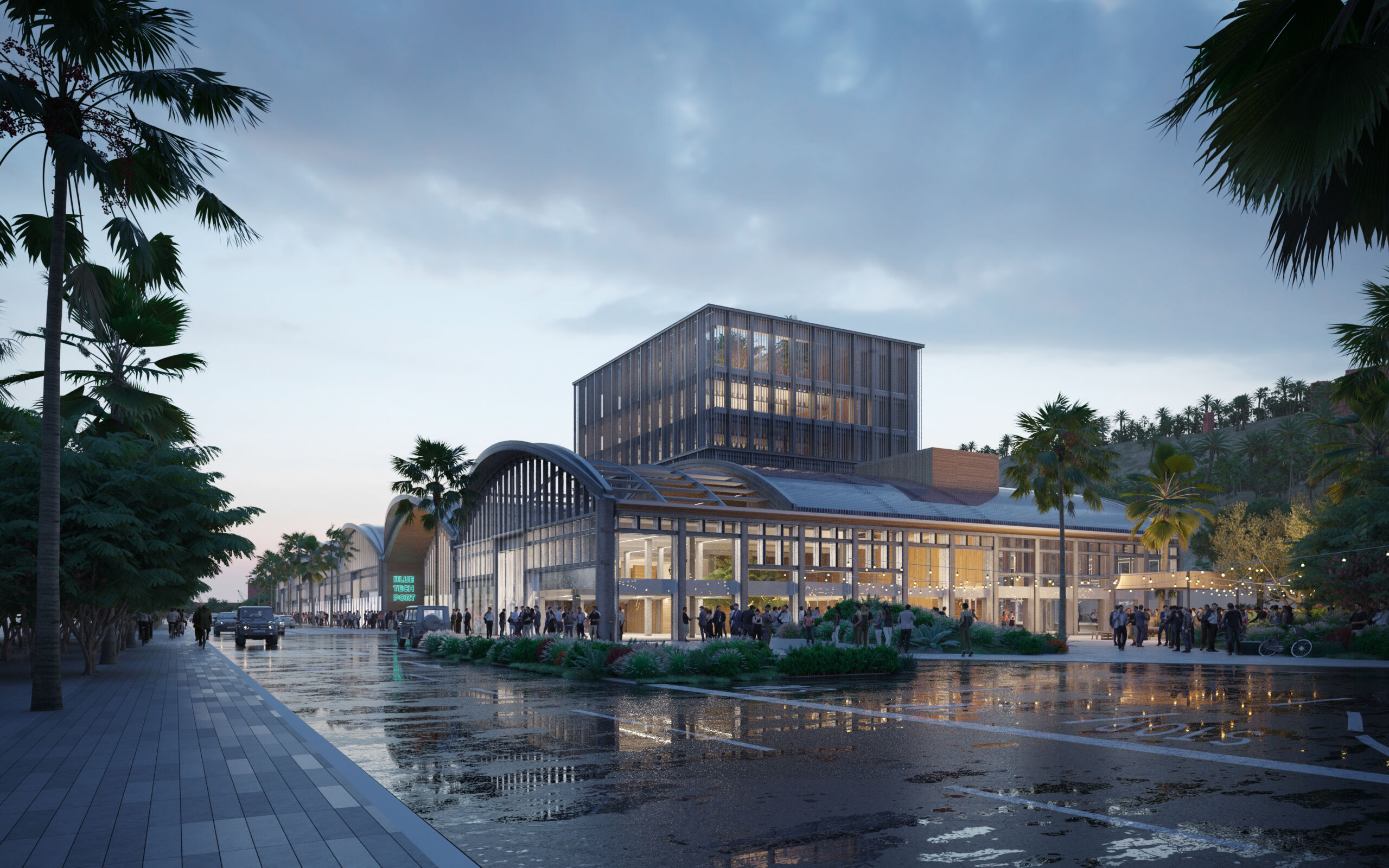
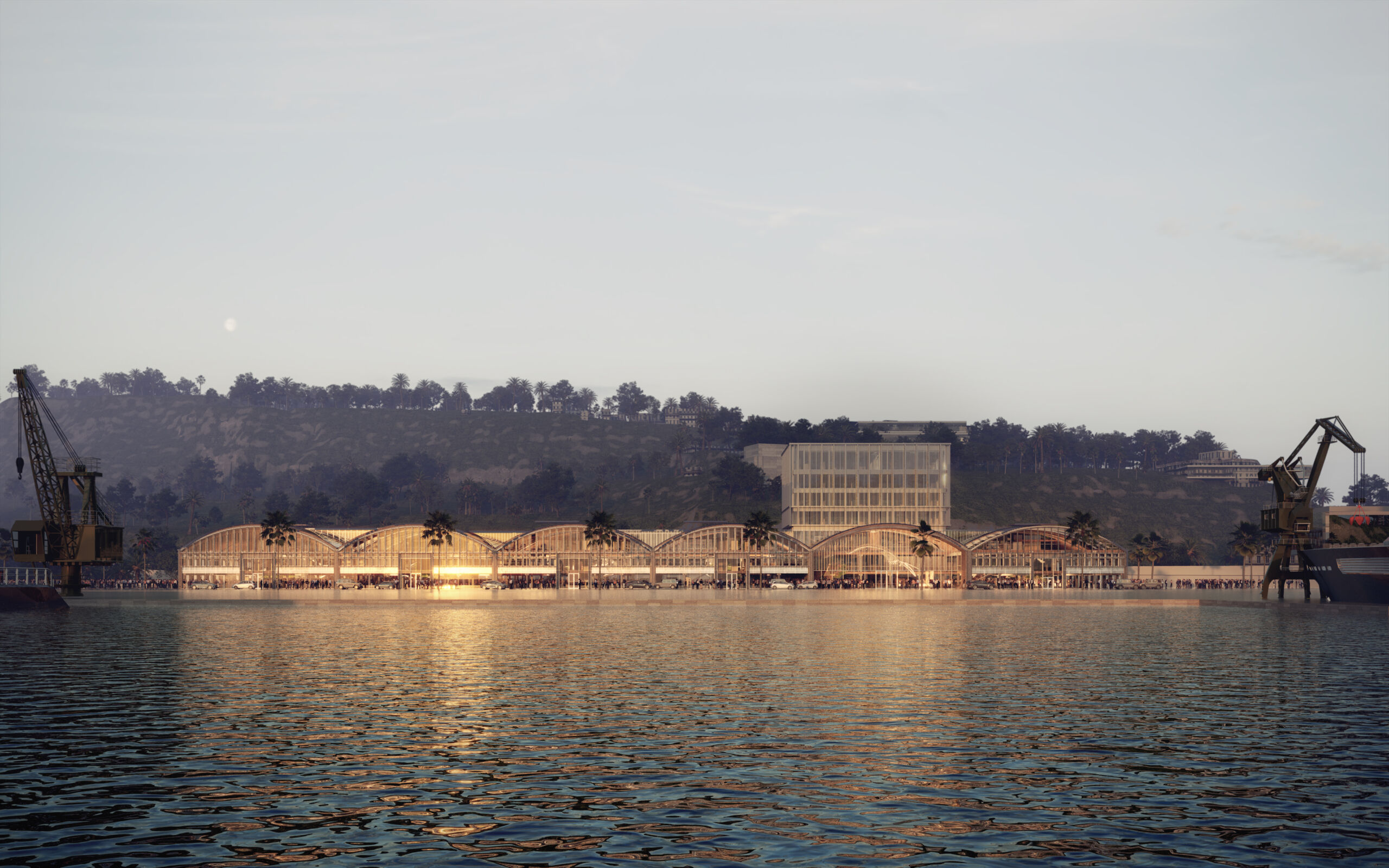
The Port of Barcelona is one of the Mediterranean’s key logistics hubs, but its ambition goes beyond logistics.Through BlueTechPort, it is also becoming a place where maritime technologies can be tested in real operational environments rather than discussed only in conference rooms. The World Trade Center Barcelona adds another layer, connecting the maritime ecosystem with international companies, investors and entrepreneurs. The result is a deliberately built ecosystem designed to help maritime innovation move faster, from concept, to pilot, to deployment.
The Lighthouse International Acceleration Program is an example of this model taking shape. Launched in April 2026 by BlueTechPort, supported by the Port of Barcelona and with technical expertise from Mind the Bridge, Lighthouse is built around a relatively straightforward proposition: bring international startups into the environment where their technology can actually be tested.
The first cohort makes the point better than any programme description could: the eight startups represent seven countries across three continents and very different corners of the Blue Economy.
There is MarinaChain, from Singapore, using AI to automate maritime emissions compliance and ESG reporting. Heyport, from Germany, is rethinking port-call coordination, replacing fragmented communication between operators with digital workflows. From France, Pharaday is using AI to bring together data from legacy systems, emails and APIs and automate operational workflows for shipping agents, charterers and brokers. And from the US, Gatein.ai uses edge AI and computer vision to track containers and trailers in real time. Other companies are tackling problems further from the traditional image of a port. Spain’s Methanol Reformer is developing modular systems for decentralised hydrogen and electricity generation. South Korea’s Linsol uses ultrasonic acoustic technology to detect hazards such as gas leaks and electrical failures in real time, bringing a different kind of intelligence to industrial and port safety. Its fellow Korean startup KOAI is developing autonomous marine robots to detect and collect floating debris and pollutants. Meanwhile, the UK-based Notpla is replacing conventional packaging materials with seaweed-based alternatives.
The variety is revealing. Maritime innovation is no longer a narrow conversation about ships and cranes. It stretches from AI and robotics to clean energy, environmental monitoring, materials and circularity. And the investment market is beginning to reflect that change. In 2025, venture capital investment in blue tech and ocean observation reached $1.5 billion, up 180% from the previous year.


From acceleration to actual experimentation
What makes Lighthouse interesting is therefore not simply the international profile of its cohort. It is the attempt to connect startups with the infrastructure and people that can help turn technology into something deployable. The 12-week programme, running from July to November, combines business and technical mentoring with access to port and industry partners, with the Port of Barcelona becoming part of the programme’s value proposition: not just a backdrop, but a potential testbed.
Too many innovation programmes stop at introductions, mentoring sessions and pitch days. Those things can be useful, but they don’t answer the question that ultimately determines whether a technology has a future: does it work in the real world, and is someone willing to use it? Lighthouse is designed to get closer to that answer through pilots, partnerships and market access.
As Emma Cobos, Director of Innovation & Blue Economy Strategy at the Port of Barcelona, put it during the programme launch, the Lighthouse programme is “not just an acceleration initiative” but a strategic investment in the future of the port and the Blue Economy, with the ambition to drive blue innovation beyond Barcelona and create global impact.
Barcelona as a living laboratory
The next phase of the Blue Economy will not be shaped by maritime companies alone. It will be shaped by the interaction between ports, technology companies, investors, cities, research institutions and startups working across sectors that historically had little reason to collaborate. The possibility of putting those assets to work together makes Barcelona’s position particularly interesting.
The 8 Lighthouse startups are a small cohort, but they illustrate the direction of travel: maritime innovation is becoming increasingly global, increasingly technological and increasingly dependent on access to real-world environments. The challenge now is to make those connections repeatable.
If Barcelona can continue turning its port into a place where international technologies can be tested, challenged and eventually deployed, it can become more than a hub for maritime innovation. It can become a gateway between the global startup economy and the physical infrastructure of the Blue Economy.